


Laura Lewis, MS
What are the best and worst foods for mental health? It may not come as a surprise that science seems to point to whole foods for better mental health. Food processing can be described as a spectrum, with whole foods on one end and ultra-processed foods at the other. The best and worst foods for mental health may exist on a parallel spectrum.
Whole foods are raw fruits and vegetables, raw dairy, and fresh butchered meats. Chopping, grinding, and cooking foods are all forms of processing. Pasteurizing is also a form of processing, but one we typically value for food safety. As you move further on the spectrum however, heavy manufacturing, preservation, and chemical treatments are what move food products into the category of “ultra-processed”. Think candy and colorful cereals, bagged snacks, and microwave-ready frozen meals (yes, even the “diet friendly” ones).
Is Junk Food Wrecking Your Mood?
In 2022, a study conducted by NYU Schools of Public Health and Medicine showed that 60% of the adult American diet is made up of ultra-processed foods [1]. In comparison, the Mediterranean diet includes less than 10% processed foods [2]. “Ultra-processed foods” can be defined as industrially manufactured, ready-to-eat/heat formulations that are made with multiple additives, and are largely devoid of whole food ingredients [1].
In essence, these are junk foods that are designed to taste good and stay edible at room temperature with a long shelf life. These foods are often highly caloric, high in refined sugars, unhealthy fats, and sodium while lacking essential nutrients, such as fiber, vitamins, and minerals.
For a fair number of years, it has been understood that these foods have negative physical effects on the body. More recently, however, junk food has been linked to negative effects on mental health as well. A large Australian study has found that high consumption of ultra-processed foods is linked to a “psychological distress”, mood imbalance, and associated challenges [2].
This study showed that age, biological sex, and body mass index were all independent factors that had no effect on the impact of junk food on mood. This means no matter how fit, young, old, or overweight you are, making poor dietary choices can wreck your mood.
Why Does this Happen?
While the Australian study did not delve deeply into the mechanism behind this effect, there are numerous biological processes that may be at play.
The study’s authors do point out that ultra-processed foods are generally high in carbohydrates, saturated fat, and energy, and low in protein and fiber. These are all features that are likely to negatively impact inflammatory response. Healthy inflammatory response is generally considered necessary for optimal mental health [3].
Ultra-processed foods are also typically low in micronutrients [4]. Nutrients such as Methylfolate, vitamin B12, vitamin D, vitamin E, niacin, pyridoxine, copper, iron, phosphorus, magnesium, selenium, and zinc, are noticeably insufficient in processed foods and yet supportive of a positive and balanced mood [5].
There is also the gut-brain connection to consider. Ultra-processed foods can disrupt the delicate balance of our gut microbiota. The community of microbes that either help or hurt our ability to digest and absorb nutrition from the diet can also affect neurotransmitter production and mental health [6]. Dysbiosis, which is an imbalance in beneficial and harmful bacteria, is associated with various mental health and cognitive challenges [6].
The quality of our diet directly influences the composition and diversity of our gut microbiota, underscoring the importance of avoiding ultra-processed foods.
What should I eat instead?
We often tend to think of junk foods as snack foods, but many heat-and-eat frozen meals are ultra-processed too.
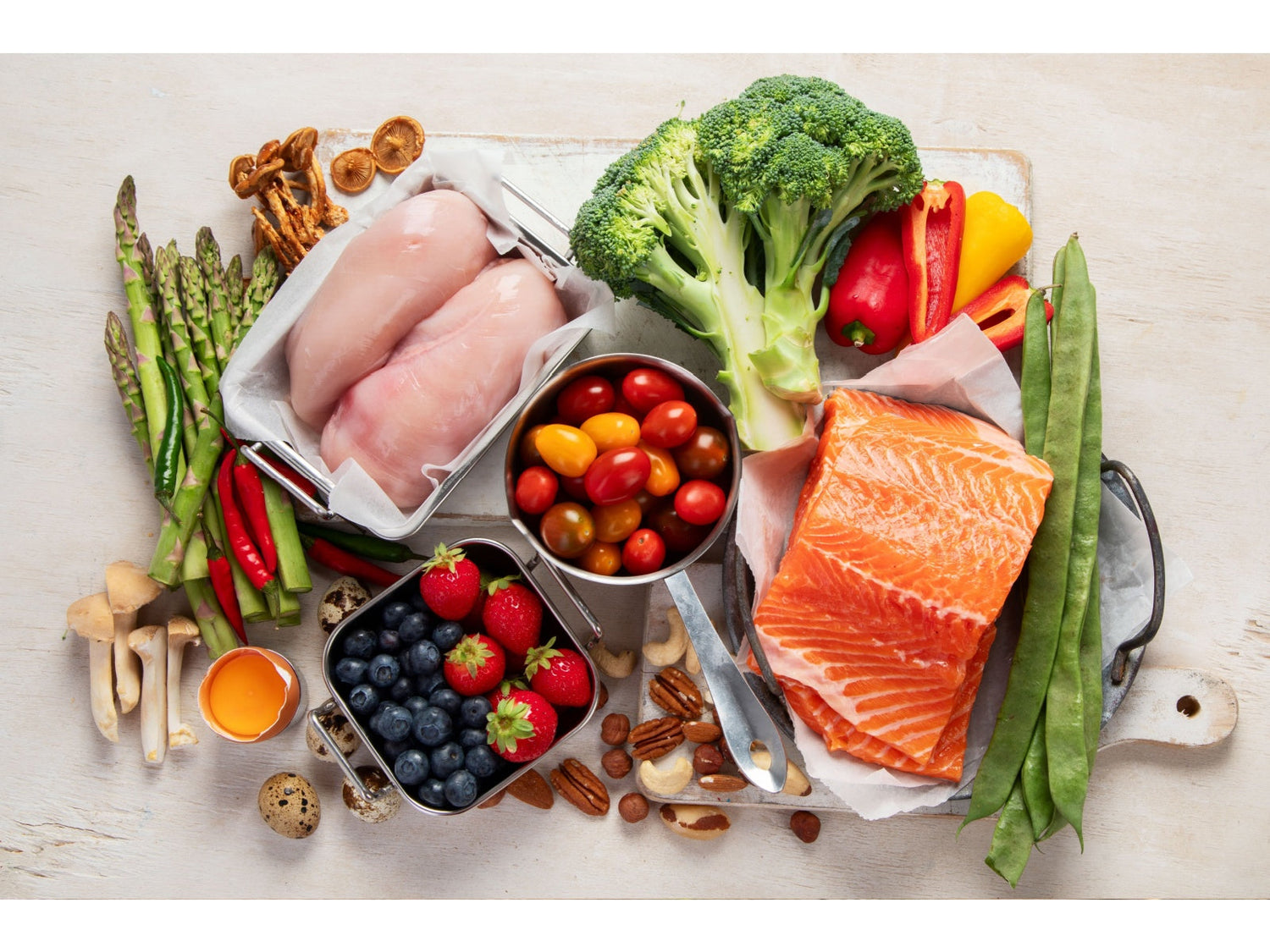
If you are looking to boost your diet with healthier food for mental health, try seeking foods that fill all the nutritional gaps junk foods create. Look for probiotic foods that nurture gut health, superfoods that are rich in brain-supportive nutrition, and snacks without chemical dyes, preservatives, and overwhelming sugar loads.
If you’re confused about seeking out whole foods, ingredient labels are your best friend. The fewer ingredients the better, usually, or at least look for ingredients you know and can pronounce. If the food has no ingredient list (i.e. produce and meats) that’s your safest bet! Those foods are considered “whole foods”.
If you are worried about a lack of nutrition in your diet, or that your food may not be providing the full-spectrum of nutrients you need for physical and mental health, a daily multivitamin can be a great nutritional safety net. If you already take a 15 mg Methylfolate supplement, consider trying MethyPro Multivitamin, for an all-in-one full-spectrum plus 15 mg of L-Methylfolate.
Disclaimer:
The information provided is for educational purposes only. Consult your physician or healthcare practitioner if you have specific questions before instituting any changes in your daily lifestyle including changes in diet, exercise, and supplement use.
Laura Lewis is a clinical researcher and science communicator with a Master of Science degree and a background in nutrition science and integrative health. She brings a decade of experience translating complex clinical data into accessible insights for healthcare practitioners and patients alike.
Laura has contributed to educational programming and strategic content development across the integrative and functional medicine space. Her strengths lie in evidence synthesis, practitioner engagement, and crafting communications that bridge the gap between scientific rigor and real-world application. At ARG, Laura supports clinical content development and educational initiatives that elevate practitioner confidence and product credibility.


