


Kim Hapke, ND
What makes an ideal delivery system for benefits to health? It should be highly bioavailable and deliver its payload precisely to the target tissue, remaining intact and effective. This may sound ambitious, but nature may already have the answer. Enter exosomes—tiny, naturally occurring vesicles packed with potential.
Formed in and released by eukaryotic cells, exosomes are tiny molecular envelopes with novel benefits as stealth medicine delivery systems. In this article we will explore the structure and potential of exosomes, digging into the biofunctional capabilities making them so interesting to researchers in the field of health.
Exosomes: Structure and Formation
Exosomes are tiny extracellular vesicles naturally produced by humans, plants, animals, and fungi. Think of them as miniature couriers, shuttling important messages between cells. Despite their small size (often just 30–200 nanometers across), they contain valuable cellular material and play a role in cellular communication.
Formed within the endosomal compartments of cells, exosomes carry a variety of biological cargo, including proteins, metabolites, peptides, and nucleic acids (including mRNA and microRNA), safely tucked inside a lipid bilayer. The material enveloped is not indiscriminate but passes through cellular sorting methods. Exosomes are then released outside the cell to be picked up by other cells via receptors or endocytosis (engulfment by a receiving cell). [1]
Exosomes may be tiny, but they’re anything but simple. Their outer shell, a lipid bilayer, is built from a complex mix of phospholipids, sphingomyelin, cholesterol, and ceramides. Embedded in the membrane, surface proteins and peptides appear to act like little biological “passcodes,” helping the exosome slip past the immune system or guiding it to specific receptors on target cells. [1] It’s as if exosomes come with built-in instructions, directing them where to go and how to be welcomed.
Scientists are now exploring how these natural carriers could be harnessed. The question of “could exosomes help?” is driving a wave of exciting research.
Clinical Potential of Exosomes
Scientists are delving into the world of exosomes with compelling questions: Can these microscopic messengers survive digestion? How are they absorbed through the gut when taken orally? And most intriguingly for those of us focused on food and plant medicine, can human cells receive and respond to exosomes naturally present in what we eat? Emerging research is attempting to answer these questions at a rapid pace, unveiling exciting new possibilities.
Bioavailability
Certain properties of exosomes ensure their ability to evade digestion and to be absorbed and utilized by the body. Several features of the exosomal membrane, including a high cholesterol content, contribute to the stability of the membrane allowing it to resist penetration by small molecules such as digestive enzymes.
Several pathways for exosomes to enter and benefit local GI cells, or continue on to the bloodstream and exert effects on distant tissues, have been revealed. Starting with their inherent small size and depending on individual biochemical properties, exosomes are able to pass through paracellular tight junctions, penetrate epithelial cell membranes, be taken up by cells via endocytosis, or be actively transported by carrier proteins. [1][2]
Diagnostic Medicine
Exosomes from human cells exhibit potential for diagnostic medicine. For instance, research suggests that pathological cells release exosomes carrying microRNA and other tissue-specific materials that serve as tiny molecular clues that could help identify pathology. For example pancreas cells impacted by pancreatitis shed exosomes filled with distinct inflammatory markers. [3] Exosomes as cellular-specific biomarkers for diagnosis and prognosis is an interesting possibility still unfolding.
Therapeutic Potential
While exosomes as delivery systems are not inherently beneficial, the information they encapsulate can influence immune response, tissue repair, central nervous system communication, and stem cell maintenance in positive ways. [1] Messenger RNA carried in exosomes has been found to be translatable into functional protein by receiving cells, with microRNA influencing gene regulation in target cells.
Exosome structure can be manipulated for tissue targeting and delivery. Engineering could include adding specific peptides to the membrane for target tissue recognition and reception or loading exosomes with therapeutic molecules. [2]
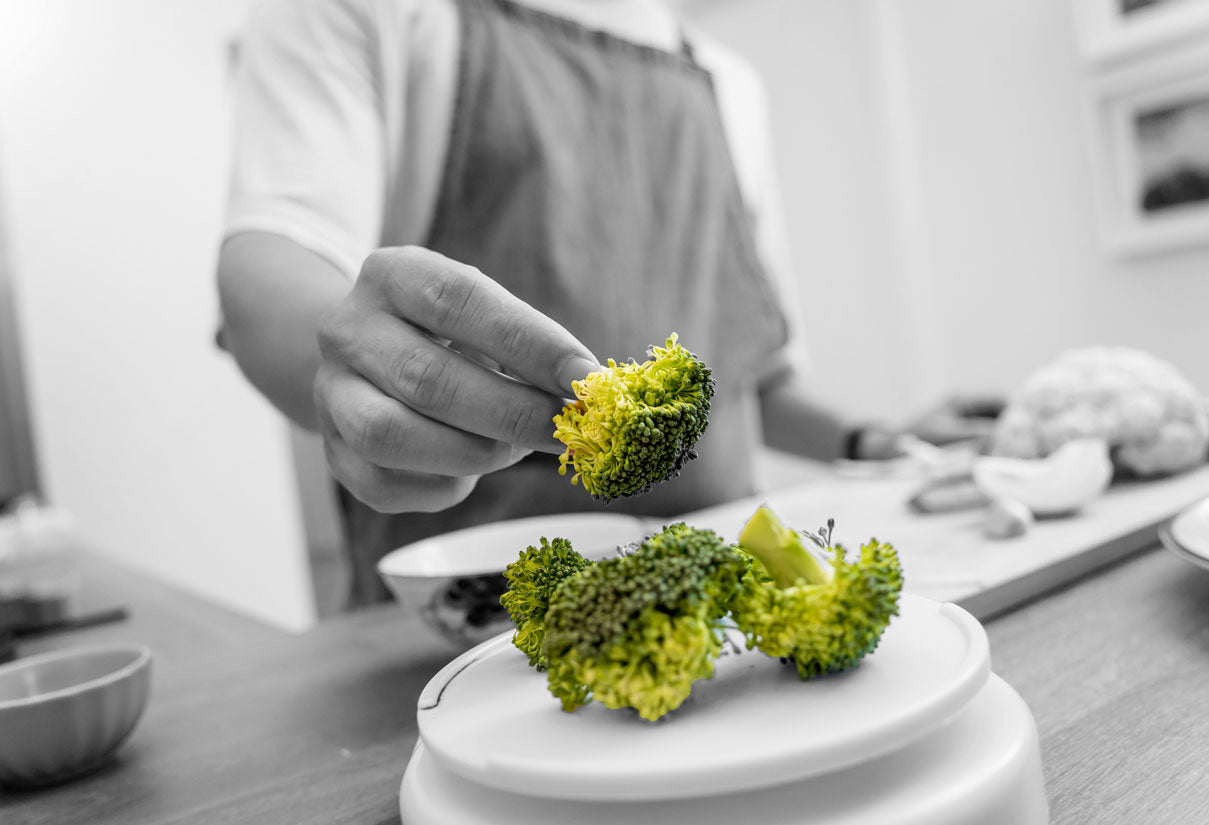
Certain exosomes such as broccoli derived exosomes to have greater stability and safety than synthetic liposomal delivery forms. Exosomes naturally exhibit desirable delivery qualities such as low immunogenicity and an ability to cross the blood brain barrier that can be mimicked or potentiated for desired effects. [4]
Dietary
Exosomes are emerging as a key to understanding their effects. Since plant and animal foods contain cellular material, it's plausible that exosomes play a role in their health benefits. These natural vesicles may help explain the tissue-specific affinities observed in herbal medicine. With proteins and peptides embedded in their lipid bilayer, exosomes interact selectively with receptors on target tissues, offering a compelling mechanism for this precision.
Early research into food exosomes is optimistic for this line of thinking. Exosomes from fruit and vegetables, and in food from animal sources, have been successfully isolated. In fact, consuming meat and organ tissue provides exosomes, and studies have shown these are still viable after cooking. [5] While consuming organ tissues is historically important for the species and some degree of interest has recently resurfaced, many people rarely, if ever, include organ meats in their lifestyle.
Exosomes isolated from lemon juice have been found to be morphologically similar to mammalian exosomes and able to facilitate plant-to-animal cell communication. This ability to communicate is profoundly central to their benefits, allowing delivery and acceptance by target tissue and influencing cellular gene expression. [6]
A review of studies of food-derived exosomes notes their accumulation in a wide range of tissues including gastrointestinal (stomach and intestines), as well as distant tissue including liver, spleen, brain, and lungs. Other studies have shown that it is possible for food-derived exosomes to cross the endothelial barrier of blood vessels and enter the bloodstream, answering some basic bioavailability questions. [7] These initial general answers open up a large field of further questioning regarding specific food sources yet to be explored.
In Summary
While exosomes are already showing therapeutic promise in regenerative medicine, their broader potential is only beginning to surface. Research is just starting to decode the sophistication of these naturally occurring nanocarriers that have been long utilized by the body for intercellular communication. The presence of exosomes in common dietary sources such as meat, plants, and other whole foods, suggests a powerful, existing avenue for bioactive compound delivery. This emerging understanding reinforces the long-held concept of food as medicine, offering clinicians new ways to consider nutrition as a strategic component of therapeutic intervention.
Disclaimer:
The information provided is for educational purposes only. Consult your physician or healthcare practitioner if you have specific questions before instituting any changes in your daily lifestyle including changes in diet, exercise, and supplement use.
Dr. Kim Hapke is a licensed naturopathic physician with a focus on integrative medicine, root-cause investigation, and whole-person care. She brings over a decade of clinical experience supporting patients with complex, chronic conditions, with particular emphasis on stress physiology and mental health.
In addition to her clinical practice, Dr. Hapke has served as a trusted consultant to functional medicine organizations and health brands, helping translate scientific evidence into accessible, patient-centered strategies. She is known for her ability to blend deep clinical insight with practical, therapeutic frameworks. At ARG, Dr. Hapke contributes to product innovation and practitioner education.