



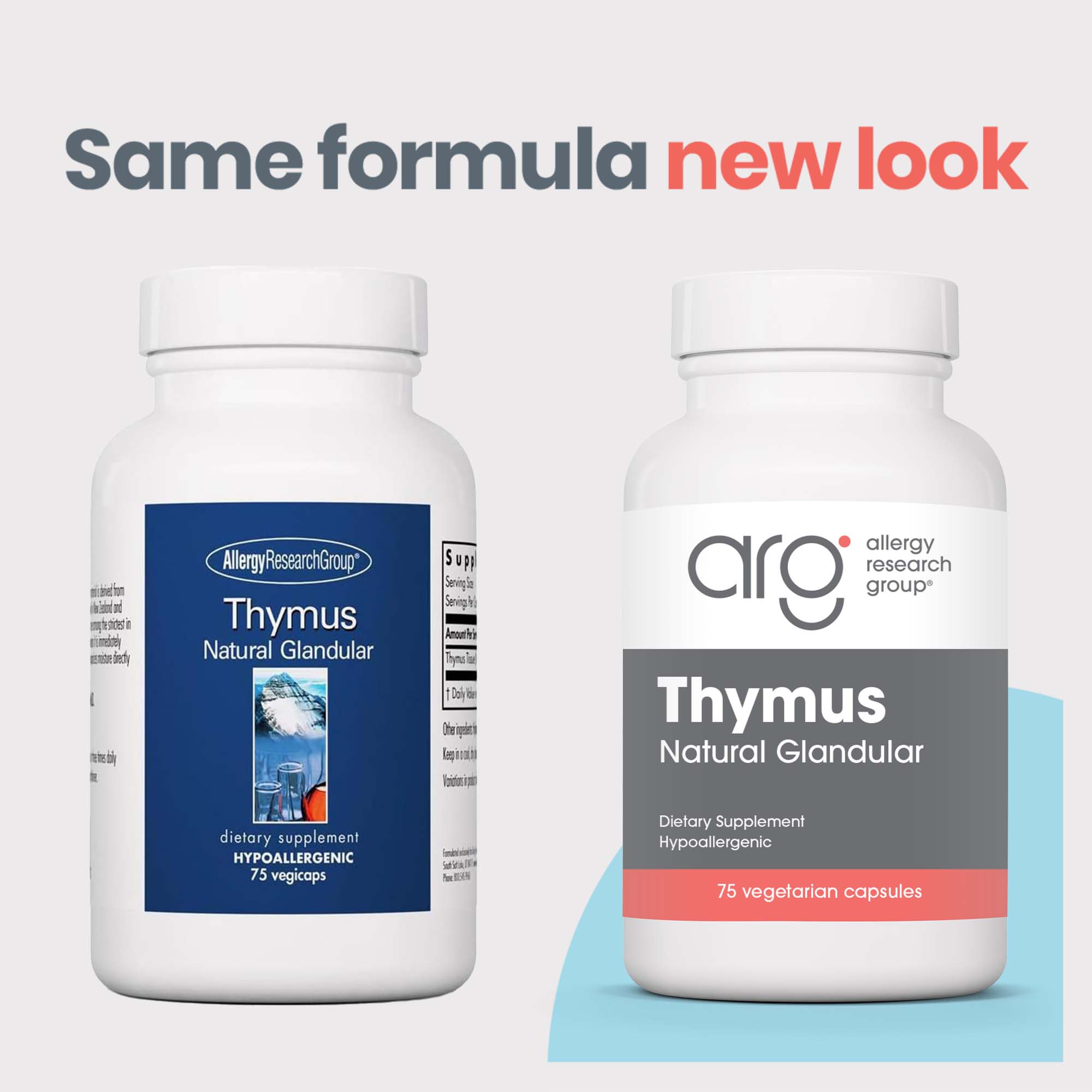
SKU 71610
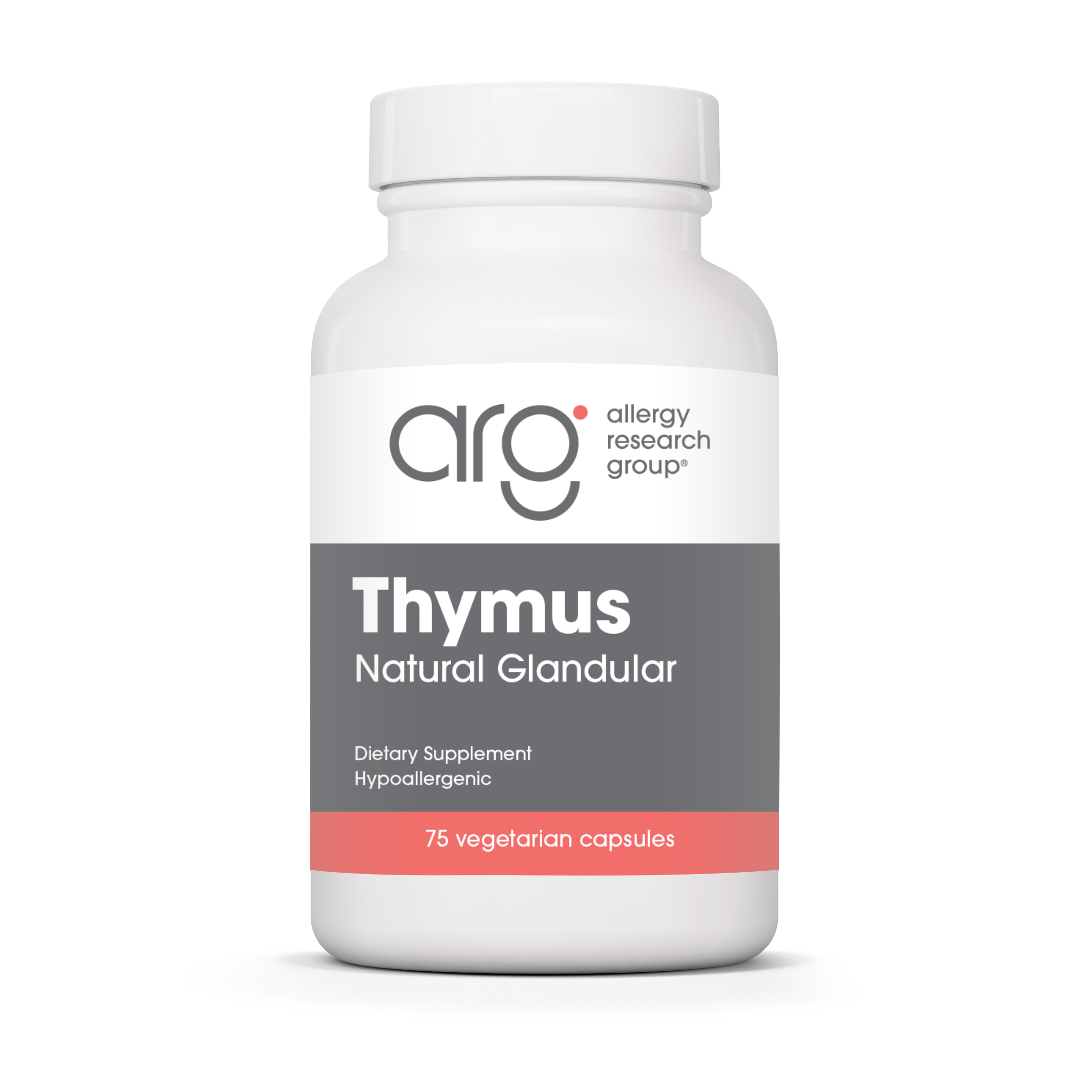
Thymus
Natural Glandular
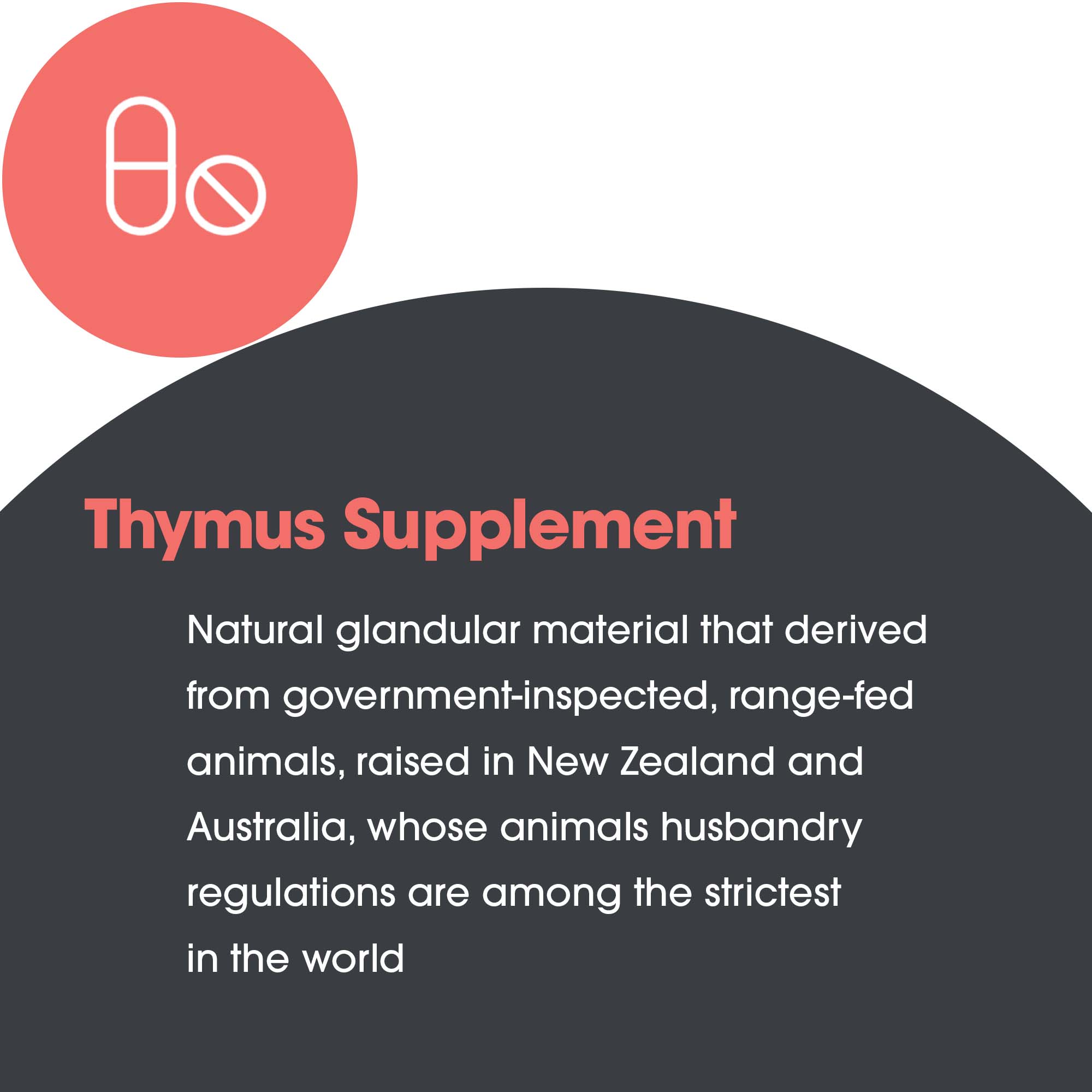
Thymus Natural Glandular provides carefully sourced, freeze-dried thymus tissue to support healthy thymus and immune function.* Derived from range-grazed, government-inspected animals in New Zealand and Australia, this traditional glandular preparation preserves key nutrients and bioactive compounds to support the thymus gland and vitality.*
Tax excluded.
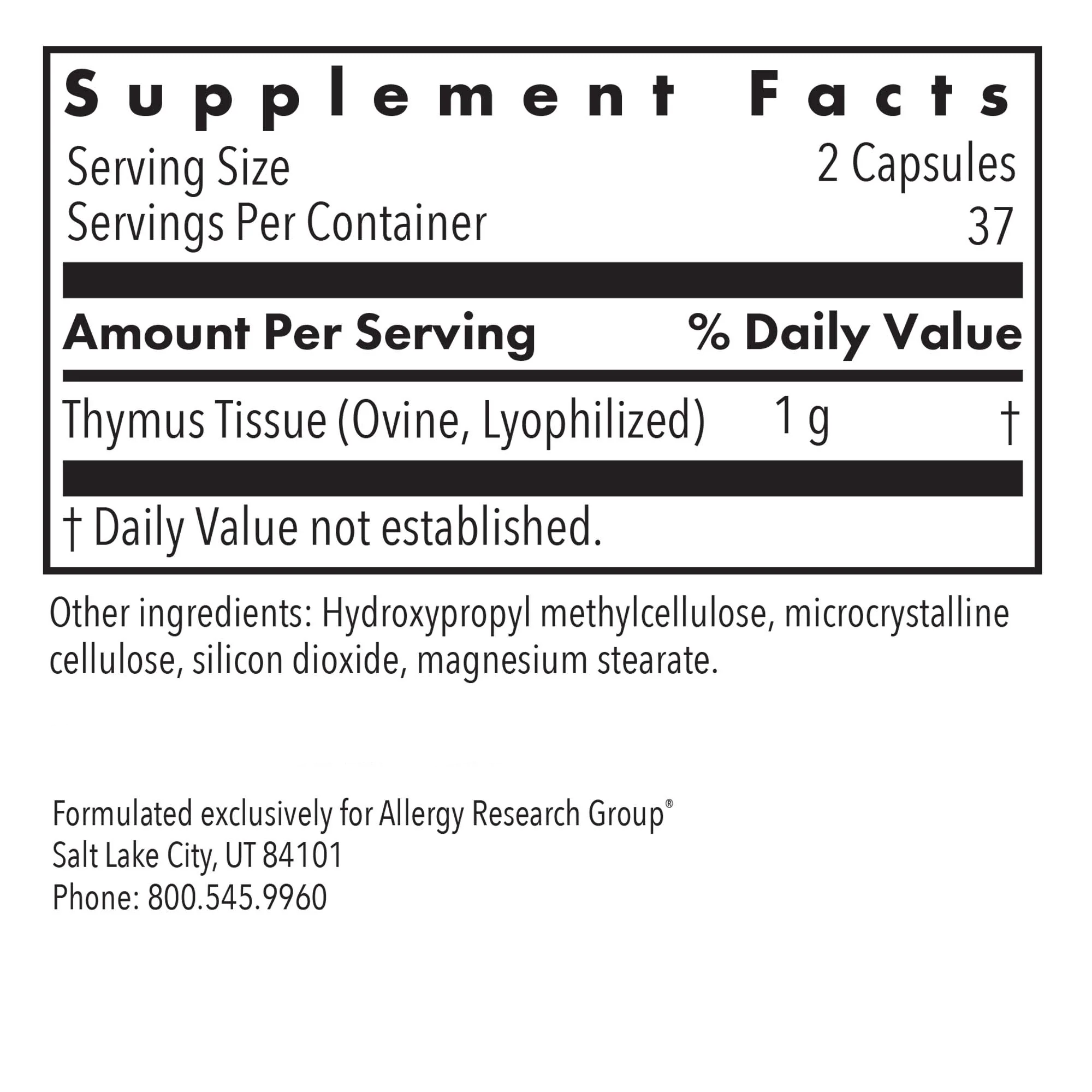
Other Ingredients
Thymus
Sale price$43.69
What It Does
