

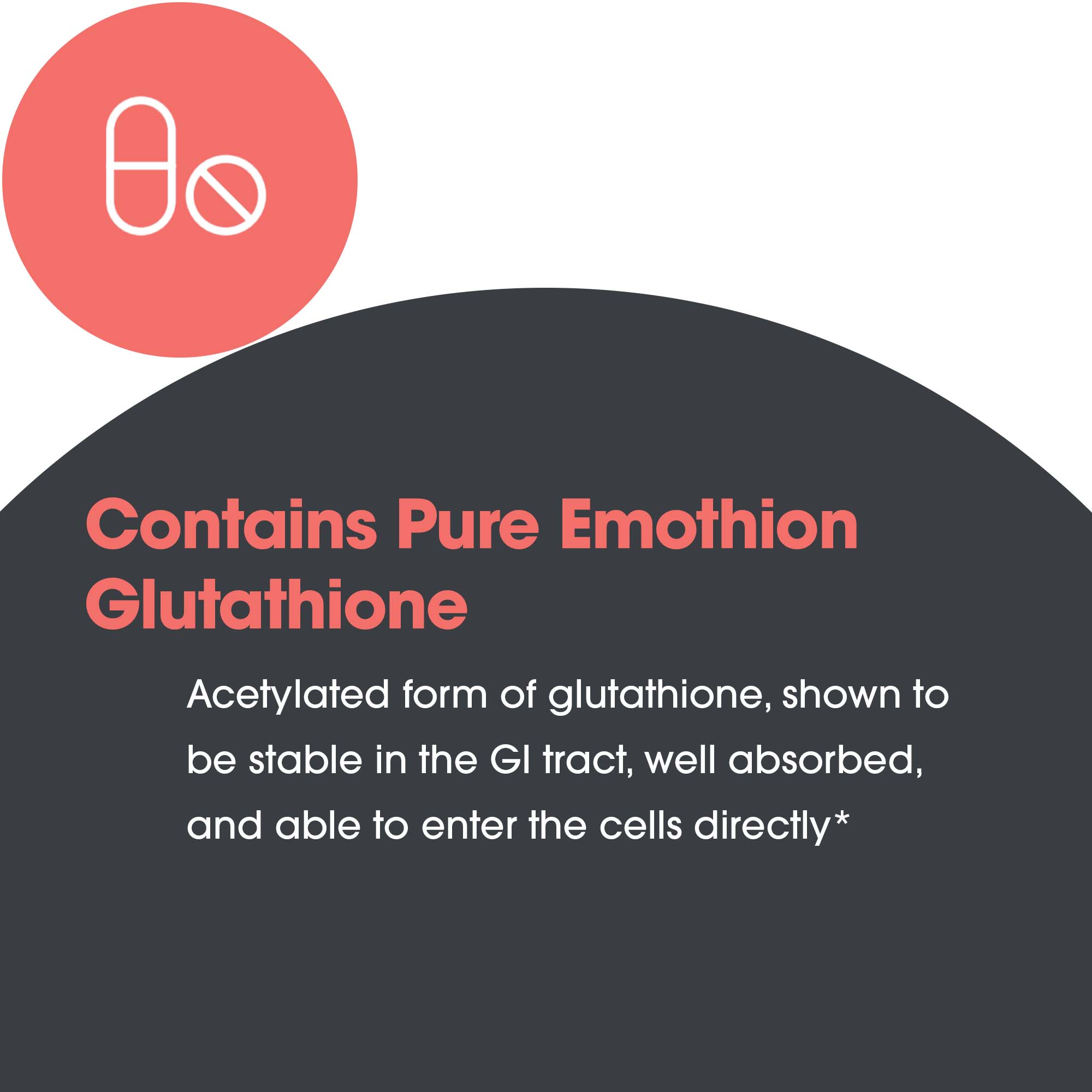
• S-Acetyl-L-Glutathione (SAG): Acetylation protects glutathione from digestive breakdown, allowing direct cellular uptake and conversion to active GSH within the cytosol and mitochondria.*[8]
• Glutathione (GSH): Glutathione provides major intracellular antioxidant activity, GSH is essential for neutralizing free radicals, regenerating vitamins C and E, supporting mitochondrial energy metabolism, and protecting DNA from oxidative stress.*[1-2]
• Detoxification Support: GSH is critical for liver and kidney detox pathways, aiding clearance of xenobiotics, metabolic byproducts, and pharmaceuticals.*[3]
• Cellular Regulation: GSH influences cytokine production, gene expression, and immune signaling, contributing to healthy tissue maintenance and immune balance.*[3]
• Healthy Aging: Glutathione status is associated with aging.* GGT, a surrogate biomarker, is inversely correlated with glutathione.*[1,5,6]
• Superior Bioavailability: Compared to oral reduced glutathione, SAG avoids enzymatic degradation, exhibits a longer half-life, and is more efficiently absorbed and utilized.*[7-8]